

Biometrics Commissioner welcomes Home Office's facial recognition consultation response
Published: 17/11/2026
| UK Government
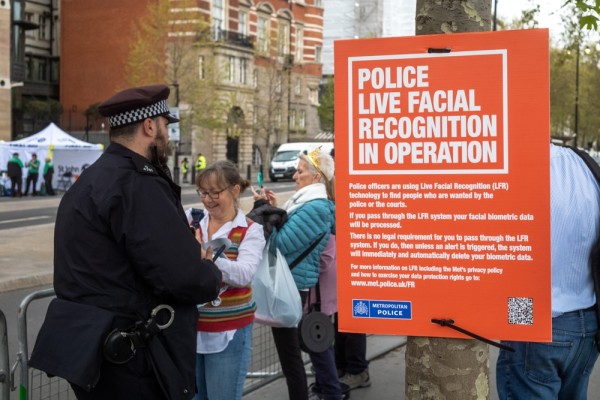
Biometrics and Surveillance Camera Commissioner Professor William Webster has welcomed the Home Office's consultation response on facial recognition and biometric technologies as an important step toward primary legislation, while warning that critical operational and governance details remain undefined.
In a formal statement, Webster noted that live facial recognition (LFR) and similar surveillance tools are intrusive and directly implicate fundamental rights, including privacy, freedom of movement, freedom of expression, and peaceful assembly. He stressed that clear legislation and effective safeguards are essential to mitigate these risks while enabling lawful policing.
Webster endorsed plans for a single oversight body equipped with audit, inspection, and compliance powers to clarify a cluttered regulatory landscape, noting that consistent national standards are needed to address operational differences observed across police LFR deployments. He also supported extending the framework beyond law enforcement to wider public services and introducing statutory codes of practice for both the public and commercial sectors. Furthermore, he highlighted the need for Parliament to have powers to add emerging technologies, such as body-worn video, drones, and artificial intelligence (AI) video analytics, to future-proof oversight.
However, Webster warned that the response lacks detail about what governance and accountability rules will sit in primary legislation versus statutory codes, how necessity and proportionality will be measured, and who will assess the acceptability of specific technologies. He also questioned how commercial-sector compliance will be enforced, how national standards will emerge, and whether the new regulator will have adequate funding, specialist expertise, and coordination with other regulators.
In related news, ethnic minorities are nearly four times more likely to be selected for officer-initiated facial recognition (OIFR) scans in South Wales, according to Freedom of Information Act 2000 (FOIA) disclosures covering 2025.
Internal data released by South Wales Police shows that ethnic minorities made up 24% of individuals chosen for OIFR checks, despite representing just 7% of the region's population and 11% of total arrests. The AI system, which uses smartphones and the Neoface algorithm to match faces against custody mugshots and databases, is deployed to identify suspects, wanted persons, missing individuals, and uncommunicative or deceased people.
During 2025, officers scanned 257 adults and 14 children, including two aged under ten. Over half involved suspected crimes, bail breaches, or individuals unlawfully at large, while others targeted people posing a risk of harm, missing persons (around one in ten cases), or deceased individuals (roughly once a fortnight). Many scans failed to produce a match or ended when subjects provided their details; where matches occurred, 48% led to arrests and a third resulted in no further action.
Civil liberties campaigners described the disparity as alarming. South Wales Police acknowledged concerns over disproportionality, noting search volumes remain small and the technology is in its infancy, while confirming ongoing reviews through internal governance, independent advisory groups, and external scrutiny panels.
Training Announcement: The BCS Foundation Certificate in AI examines the challenges and risks associated with AI projects, such as those related to privacy, transparency and potential biases in algorithms that could lead to unintended consequences. Explore the role of data, effective risk management strategies, compliance requirements, and ongoing governance of the AI lifecycle and become a certified AI Governance professional. Find out more.

Privacy Engineering Training

EU GDPR TRAINING
Privacy Engineering Training
EU GDPR TRAINING
What is this page?
You are reading a summary article on the Privacy Newsfeed, a free resource for DPOs and other professionals with privacy or data protection responsibilities helping them stay informed of industry news all in one place. The information here is a brief snippet relating to a single piece of original content or several articles about a common topic or thread. The main contributor is listed in the top left-hand corner, just beneath the article title.
The Privacy Newsfeed monitors over 300 global publications, of which more than 3,250 summary articles have been posted to the online archive dating back to the beginning of 2020. A weekly roundup is available by email every Friday.