

Met Police announce handheld facial recognition pilot
Published: 20/11/2026
| BBC News
The Metropolitan Police Service (MPS) has launched a six-month Operator Initiated Facial Recognition (OIFR) trial that enables officers to photograph and identify suspects on mobile devices without their consent. The pilot will involve 100 trained officers across custody suites and frontline policing in London.
OIFR compares a photograph taken on a force-issued mobile device against the MPS custody image database. The system only returns a result when a match exceeds an independently tested threshold, and a trained officer will manually review potential matches alongside available information throughout the trial.
By establishing identities more rapidly, OIFR aims to reduce unnecessary time in custody, protect vulnerable individuals, and alert officers to known risks such as weapon possession, escape attempts, or self-harm.
Nick John, MPS Commander of Intelligence and Covert Policing, stressed that OIFR cannot be used arbitrarily and only applies after other reasonable identification methods are exhausted. Deployment is strictly limited to two lawful circumstances:
- Identifying an unknown person suspected of committing a recordable offence who refuses to provide details or is believed to have given false information.
- Confirming identity and supporting risk assessments, such as concealing weapons or drug use, following an arrest or detention, where officers are legally permitted to take an image.
The MPS confirmed the pilot will undergo regular reviews of performance, accuracy, and usage data to ensure appropriate deployment and monitor for any evidence of disproportionality.
The announcement comes after South Wales Police revealed last week that ethnic minorities made up 24% of individuals chosen for OIFR checks, despite representing just 7% of the region's population and 11% of total arrests.
In a statement responding to the announcement, Jasleen Chaggar, senior legal and policy officer at Big Brother Watch (BBW), said:
"The police are handing themselves a technology with the power to turn us into walking ID cards. OIFR allows the police to perform an identity check just by jabbing a camera in our face.
"Generally, you don’t have to hand over your identity to the police, unless you’ve broken the law. With OIFR, the police are giving themselves powers to identify people in a way they’ve never been able to before."
Training Announcement: The BCS Foundation Certificate in AI examines the challenges and risks associated with AI projects, such as those related to privacy, transparency and potential biases in algorithms that could lead to unintended consequences. Explore the role of data, effective risk management strategies, compliance requirements, and ongoing governance of the AI lifecycle and become a certified AI Governance professional. Find out more.

Privacy Engineering Training

EU GDPR TRAINING
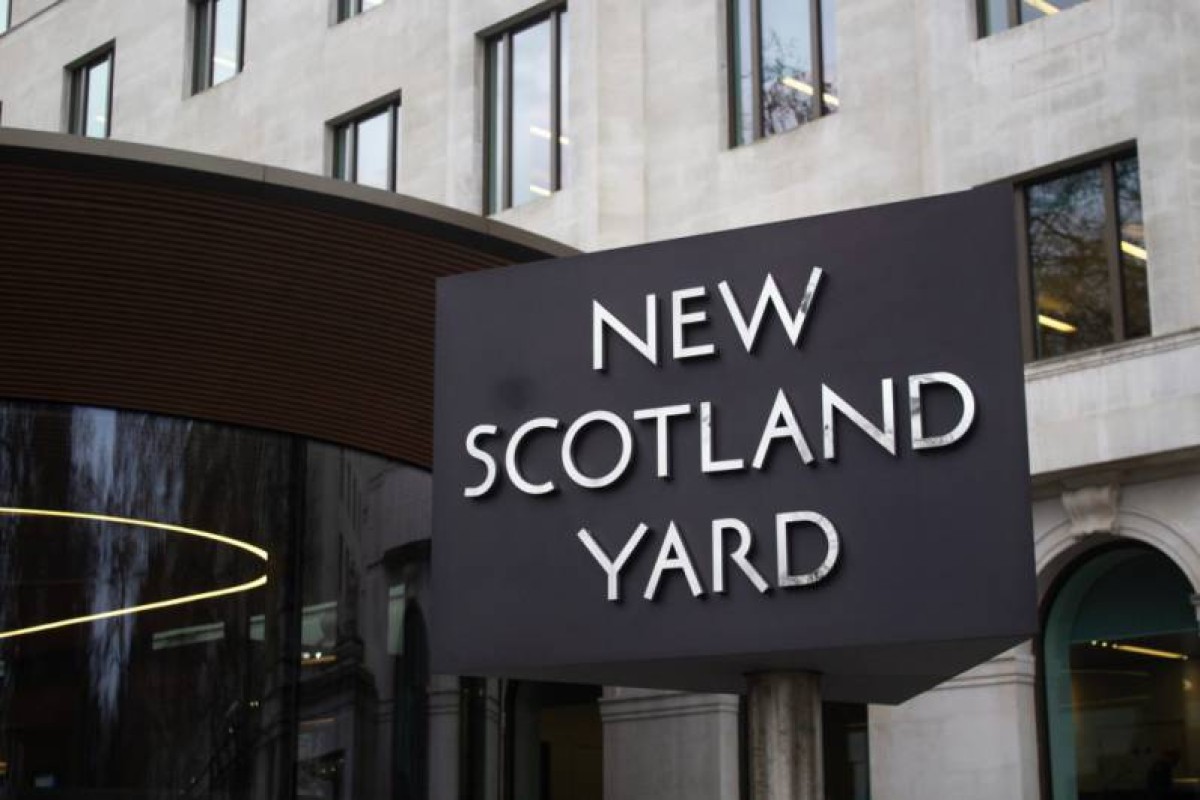
Photo by Diana Vucane on Shutterstock
Privacy Engineering Training
EU GDPR TRAINING
What is this page?
You are reading a summary article on the Privacy Newsfeed, a free resource for DPOs and other professionals with privacy or data protection responsibilities helping them stay informed of industry news all in one place. The information here is a brief snippet relating to a single piece of original content or several articles about a common topic or thread. The main contributor is listed in the top left-hand corner, just beneath the article title.
The Privacy Newsfeed monitors over 300 global publications, of which more than 3,250 summary articles have been posted to the online archive dating back to the beginning of 2020. A weekly roundup is available by email every Friday.