

Misidentified Sainsbury shopper warns facial recognition tech 'fascistic'
Published: 05/02/2026
| Independent
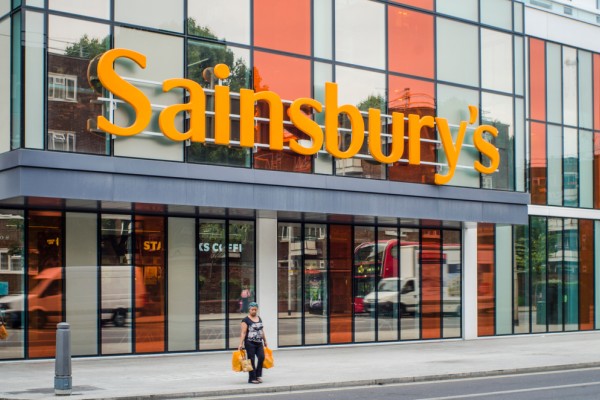
Warren Rajah, a 42-year-old data strategist, has described feeling like a "criminal" after being wrongly identified by facial recognition technology at a Sainsbury's store in Elephant and Castle. During the incident in January, staff approached Mr Rajah, confiscated his purchases, and removed him from the premises without any explanation. It later emerged that he had been mistaken for another individual present in the shop who was listed as an offender on the system.
Sainsbury's and the technology provider, Facewatch, have both apologised for the incident, attributing it to human error rather than a technical failure. Facewatch confirmed that Mr Rajah was not on its database after he submitted identity documents to verify his status. The supermarket chain, which uses the software in seven locations to combat rising retail crime, maintains that the system has a 99.98% accuracy rate and that every alert is reviewed by trained staff before action is taken.
Mr Rajah, who was offered a £75 shopping voucher as compensation, expressed significant concerns over the use of such surveillance in retail environments. He described the experience as dehumanising and questioned the lack of transparency when being excluded from a public space. He went on to say: "It's borderline fascistic as well, how can you just have something done to you and not have an understanding? How can you be excluded from a space and not have an understanding or an explanation?"
While Sainsbury's defends the technology as a necessary tool to identify shoplifters, Mr Rajah stated he no longer has any interest in shopping at the retailer and called for greater public awareness regarding the use of automated facial recognition.
Commenting on the article, Jasleen Chaggar, Legal & Policy Officer at Big Brother Watch, said: "The idea that we are all just one facial recognition mistake away from being falsely accused of a crime or ejected from a store without any explanation is deeply chilling.
"To add insult to injury, innocent people seeking remedy must jump through hoops and hand over even more personal data just to discover what they're accused of.
"In the vast majority of cases, they are offered little more than an apology when companies are finally forced to admit the tech got it wrong."
Training Announcement: Freevacy offers a range of short one-day courses on a range of data-related subjects, including data protection topics such as conducting DPIAs and privacy-by-design, as well as how to use AI tools responsibly, cybersecurity best practices, and information access. The interactive sessions cover basic concepts through to advanced examinations of specific areas. Find out more.
What is this page?
You are reading a summary article on the Privacy Newsfeed, a free resource for DPOs and other professionals with privacy or data protection responsibilities helping them stay informed of industry news all in one place. The information here is a brief snippet relating to a single piece of original content or several articles about a common topic or thread. The main contributor is listed in the top left-hand corner, just beneath the article title.
The Privacy Newsfeed monitors over 300 global publications, of which more than 3,250 summary articles have been posted to the online archive dating back to the beginning of 2020. A weekly roundup is available by email every Friday.