

Meta wants users to share health and financial data with new AI assistant
Published: 05/05/2026
| Financial Times
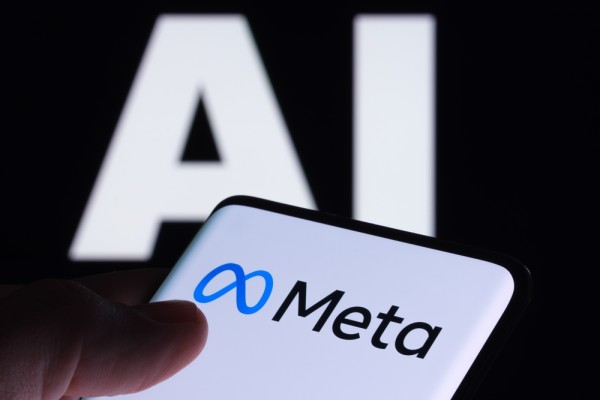
Meta is developing an advanced, highly personalised artificial intelligence (AI) assistant powered by its new Muse Spark model, aimed at automating everyday tasks for its three billion users. The project involves building agentic tools capable of autonomously managing activities such as web browsing, emails, and calendars.
The initiative may allow users to share sensitive health and financial data to enhance the assistant's performance, though insiders have noted a significant trust deficit regarding such privacy.
Meta aims to deliver a polished, user-friendly version of the functionalities seen in open-source projects like OpenClaw, which chief executive Mark Zuckerberg claims remain too complex for mass-market adoption. By leveraging its massive distribution network, Meta intends to create the first autonomous AI agent to reach one billion users, even as it balances high innovation costs with internal restructuring.
£ - This article requires a subscription.
Training Announcement: The BCS Foundation Certificate in AI examines the challenges and risks associated with AI projects, such as those related to privacy, transparency and potential biases in algorithms that could lead to unintended consequences. Explore the role of data, effective risk management strategies, compliance requirements, and ongoing governance of the AI lifecycle and become a certified AI Governance professional. Find out more.
What is this page?
You are reading a summary article on the Privacy Newsfeed, a free resource for DPOs and other professionals with privacy or data protection responsibilities helping them stay informed of industry news all in one place. The information here is a brief snippet relating to a single piece of original content or several articles about a common topic or thread. The main contributor is listed in the top left-hand corner, just beneath the article title.
The Privacy Newsfeed monitors over 300 global publications, of which more than 3,250 summary articles have been posted to the online archive dating back to the beginning of 2020. A weekly roundup is available by email every Friday.