

High street retailers go all in on facial recognition
Published: 05/03/2026
| Financial Times
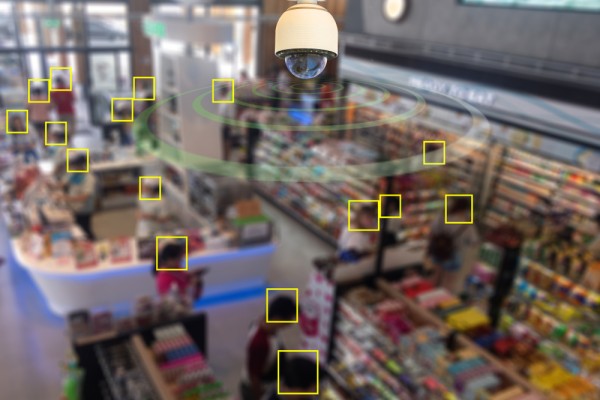
Retailers are increasingly adopting facial recognition technology to combat a post-pandemic surge in shoplifting and staff abuse. According to the British Retail Consortium, industry security spending reached nearly £1 billion last year, totalling £5.5 billion since 2020. This investment appears to be yielding results; detected shoplifting incidents fell from 20.4 million in 2024 to 5.5 million in 2025, while the value of stolen goods dropped to £408 million. Daily violence against workers also decreased by a fifth to 1,600 incidents.
Large retailers are using facial recognition software to identify suspects retrospectively or through real-time alerts. Tesco, Marks & Spencer, Morrisons, and Boots use technology from Auror, a New Zealand company, which offers retrospective facial recognition (RFR) and plans to launch live facial recognition (LFR) later this year. Morrisons reported tripling the value of organised crime referrals to police during its trials. Sainsbury’s noted a 46% drop in theft and aggression and a 92% reduction in repeat offenders during a trial with Facewatch.
Facewatch, which charges approximately £10 per camera daily, already provides live monitoring for Budgens, Sports Direct, B&M, and Home Bargains. Unlike Auror, Facewatch shares a database of over 100,000 criminal images across its client network. While experts caution that camera angles and image quality can limit effectiveness, adoption continues to grow as the UK government prepares to toughen retail crime laws. New measures include removing the £200 threshold that previously allowed for more lenient sentencing in low-value shoplifting cases.
£ - This article requires a subscription.
Training Announcement: The IAPP Certified Information Privacy Technologist (CIPT) is a privacy-focused professional IT certificate from the IAPP that addresses data protection requirements and controls within complex technological environments. It explores the data lifecycle, privacy risk models and frameworks, the principles of Privacy by Design, and the role of privacy-enhancing technologies within the organisation. Find out more.
What is this page?
You are reading a summary article on the Privacy Newsfeed, a free resource for DPOs and other professionals with privacy or data protection responsibilities helping them stay informed of industry news all in one place. The information here is a brief snippet relating to a single piece of original content or several articles about a common topic or thread. The main contributor is listed in the top left-hand corner, just beneath the article title.
The Privacy Newsfeed monitors over 300 global publications, of which more than 3,250 summary articles have been posted to the online archive dating back to the beginning of 2020. A weekly roundup is available by email every Friday.