

EU Parliament adopts Digital Omnibus SMC law reducing GDPR record-keeping obligations
Published: 24/11/2026
| European Parliament
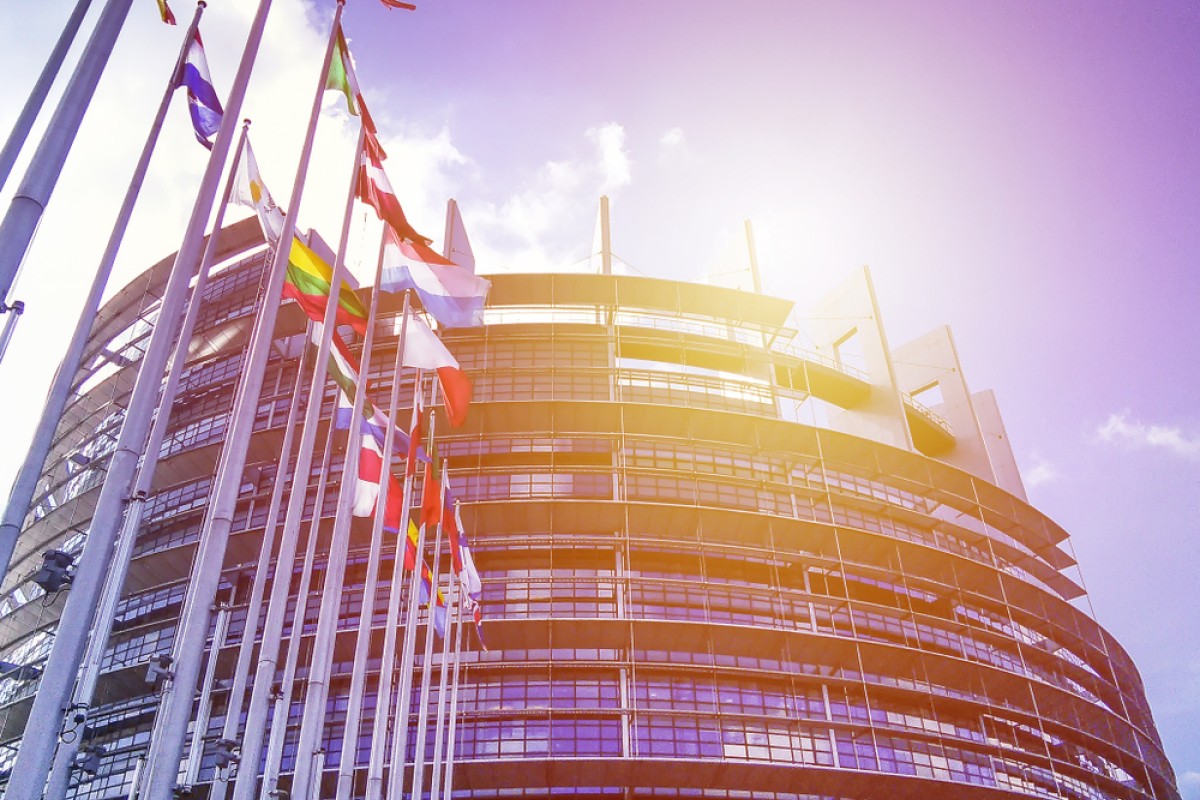
The European Parliament has given its final approval to laws introducing the concept of small mid-cap enterprises (SMCs) and extending regulatory exemptions previously available to small and medium enterprises (SMEs). MEPs voted 572 in favour, 44 against, with 42 abstentions.
As part of the Digital Omnibus package on simplification proposed by the European Commission in May 2025, the legislation aims to prevent cliff-edge situations in which compliance obligations increase significantly once businesses grow beyond the SME threshold, while supporting companies as they scale up.
Under the adopted rules, SMCs will be defined in principle as companies with fewer than 1,000 employees and either up to €200 million in turnover or up to €172 million in total assets, an increase from the Commission's original proposal of 750 employees, €150 million in turnover, and €129 million in total assets.
The new category will be introduced to a range of EU laws, with the corresponding SME exemptions being expanded to cover SMCs. This means record-keeping obligations under the EU General Data Protection Regulation (GDPR) will be eased when processing data unlikely to pose a high risk to data subjects' rights.
MEPs also adopted new rules that help companies, particularly SMEs and micro-enterprises, submit product compliance information digitally and introduce common specifications when harmonised EU standards are unavailable. Within five years of entry into force,
Parliament confirmed that the European Commission (EC) will draft a report on the SMC threshold and its impact on administrative burdens, with the option to review it within five years of the laws entering into force.
Training Announcement: Freevacy offers a range of independent data protection qualifications from IAPP and BCS. Our certified courses are available at foundation and practitioner levels and cover multiple legal jurisdictions, data protection operations management, and the implementation of complex privacy solutions in technical environments. Find out more.
GDPR TRAINING

EU GDPR TRAINING

Privacy Engineering Training
EU GDPR Training
US Privacy Law Training

UK GDPR Training
GDPR TRAINING
EU GDPR TRAINING
Privacy Engineering Training
EU GDPR Training

US Privacy Law Training
What is this page?
You are reading a summary article on the Privacy Newsfeed, a free resource for DPOs and other professionals with privacy or data protection responsibilities helping them stay informed of industry news all in one place. The information here is a brief snippet relating to a single piece of original content or several articles about a common topic or thread. The main contributor is listed in the top left-hand corner, just beneath the article title.
The Privacy Newsfeed monitors over 300 global publications, of which more than 3,250 summary articles have been posted to the online archive dating back to the beginning of 2020. A weekly roundup is available by email every Friday.