

EU Commission begins work on AI-generated content labelling code of practice
Published: 05/11/2025
| European Commission
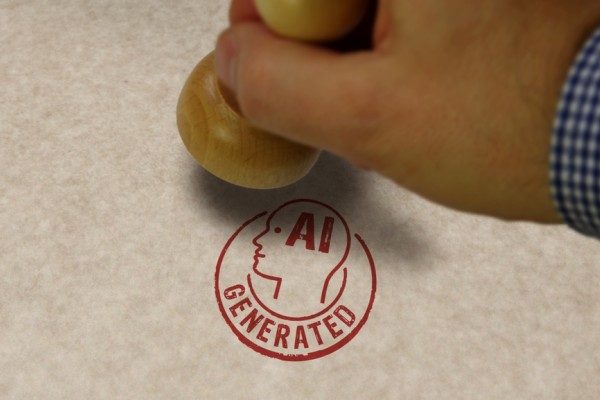
The European Commission has started working on a code of practice on transparency of AI-generated content, as required by the EU Artificial Intelligence Act (AI Act). This voluntary code aims to foster trust and reduce risks such as misinformation and fraud by ensuring that content, including deepfakes, synthetic audio, images, and text, is clearly labelled as machine-generated.
The code will support the marking of AI-generated content in machine-readable formats for detection. It will also assist AI system deployers in clearly disclosing AI involvement, particularly when informing the public on matters of public interest. The seven-month, stakeholder-driven process is being led by independent experts appointed by the EU AI Office, with the obligations set to become applicable in August 2026.
Training Announcement: The BCS Foundation Certificate in AI examines the challenges and risks associated with AI projects, such as those related to privacy, transparency and potential biases in algorithms that could lead to unintended consequences. Explore the role of data, effective risk management strategies, compliance requirements, and ongoing governance of the AI lifecycle and become a certified AI Governance professional. Find out more.
What is this page?
You are reading a summary article on the Privacy Newsfeed, a free resource for DPOs and other professionals with privacy or data protection responsibilities helping them stay informed of industry news all in one place. The information here is a brief snippet relating to a single piece of original content or several articles about a common topic or thread. The main contributor is listed in the top left-hand corner, just beneath the article title.
The Privacy Newsfeed monitors over 300 global publications, of which more than 3,250 summary articles have been posted to the online archive dating back to the beginning of 2020. A weekly roundup is available by email every Friday.