

AI on newer Meta smart glasses can use camera without recording light
Published: 14/09/2026
| Biometric Update
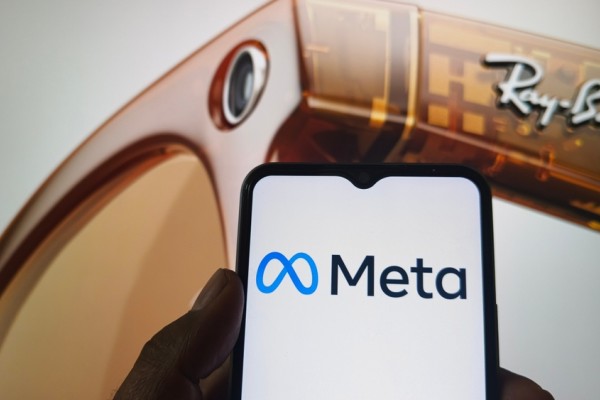
Meta's defence of its smart glasses has come under increasing scrutiny following disclosures in official documentation that its warning light fails to illuminate during operations involving artificial intelligence (AI).
The company has defended the wearable technology by highlighting that it has an external LED that signals to bystanders when users take photographs or record video. Meta has even disabled the cameras on thousands of devices where wearers covered or removed the light. However, Ray-Ban frequently asked questions (FAQs) reveal that on newer models, the LED does not activate when users deploy camera-based AI features, such as identifying plants or landmarks.
Meta explained that these operational queries transmit images directly to AI models for environmental interpretation rather than saving them to a personal media gallery. The company said it excludes facial recognition from these consumer features, removes identifying information like licence plates and telephone numbers, and omits images from stored AI conversation histories, though it may use protected data to refine products.
Training Announcement: Freevacy offers a range of independently recognised professional AI governance qualifications and AI Literacy short courses that enable specialist teams to implement robust oversight, benchmark AI governance maturity, and establish a responsible-by-design approach across the entire AI lifecycle. Find out more.
What is this page?
You are reading a summary article on the Privacy Newsfeed, a free resource for DPOs and other professionals with privacy or data protection responsibilities helping them stay informed of industry news all in one place. The information here is a brief snippet relating to a single piece of original content or several articles about a common topic or thread. The main contributor is listed in the top left-hand corner, just beneath the article title.
The Privacy Newsfeed monitors over 300 global publications, of which more than 3,250 summary articles have been posted to the online archive dating back to the beginning of 2020. A weekly roundup is available by email every Friday.